Knowledge
PV fire safety: costs, roof loads and evidence
What does A1 mean for the whole roof? How much does an extra layer weigh? When does a second layer double the material cost? Explore calculations, test reports and selection criteria.
Start with your PV roof
Which question would you like to answer?
Roof build-up, materials and evidence: this guide takes you through the selection.
22 technical guides
- 01Scope 12 and the PV roof: preparing the installation and its recordsScope 12 is a Dutch inspection framework for PV installations. Coordinate electrical design, roof details and documentation before the modules are installed.Evidence & risk
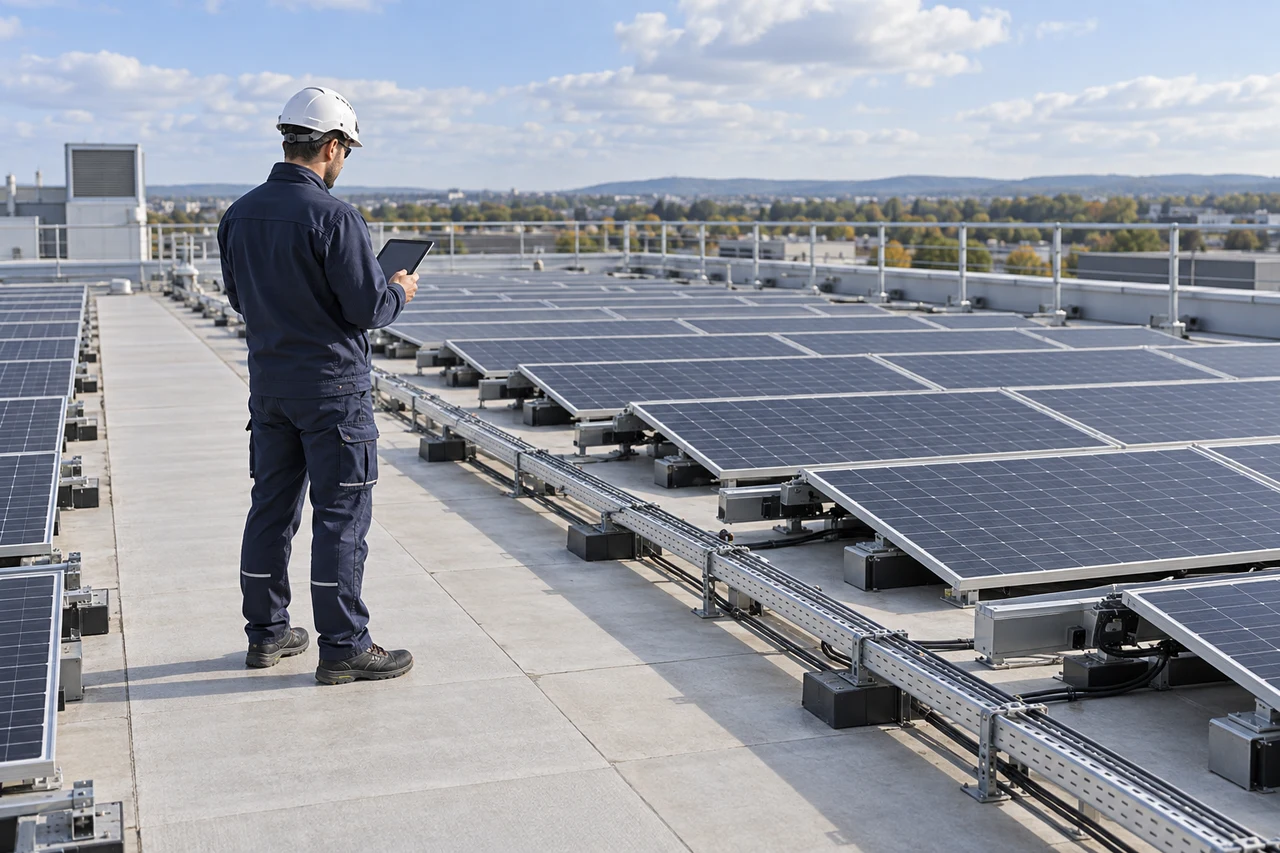
- 02Solar panels on a bitumen roof: protection, drainage and installationA bitumen roof can be suitable for PV. Check its condition and remaining service life before detailing supports, protective layers and access.Planning & costs
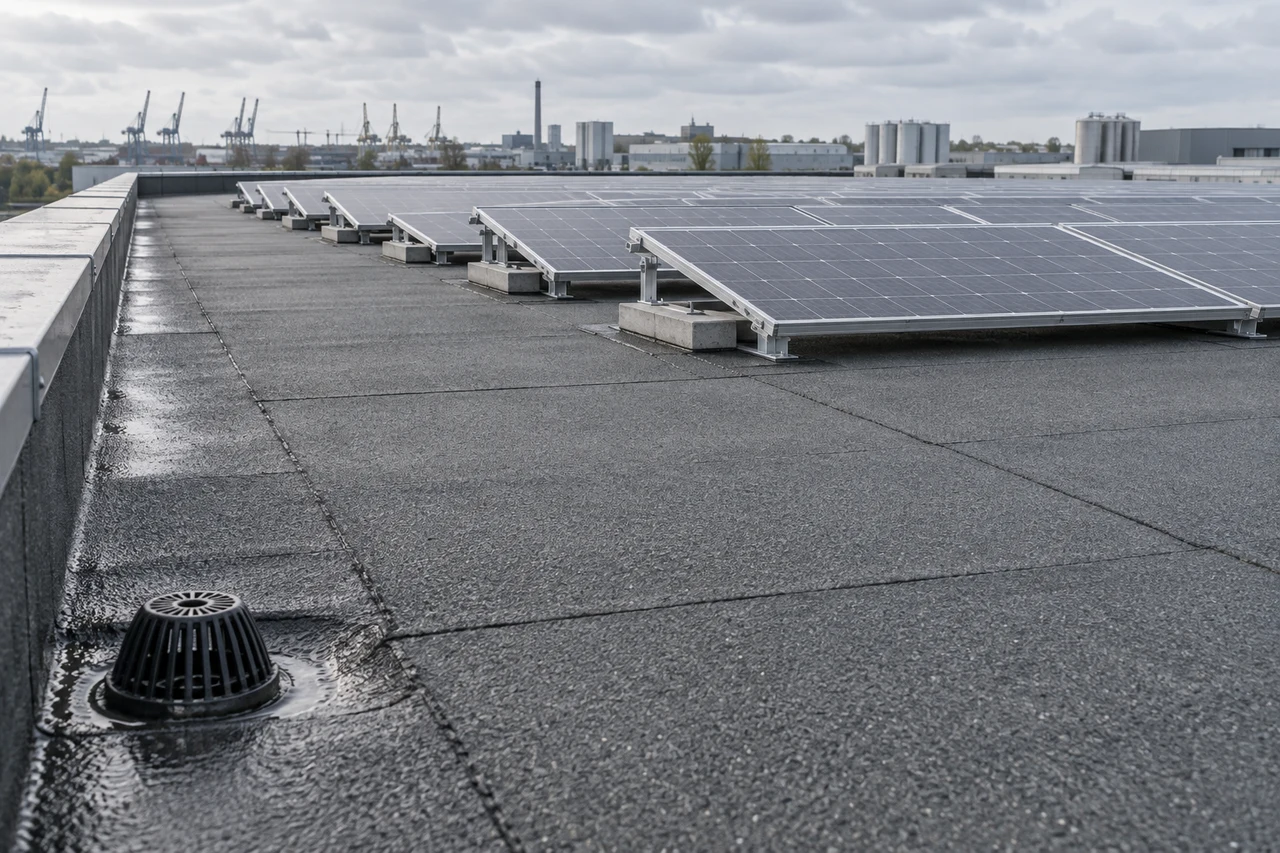
- 03Roof renovation and solar installation: a sequence that avoids repeat workCoordinate flat-roof renovation and PV installation to reduce repeat site work and later removal. Start with the remaining service life of the roof.Planning & costs
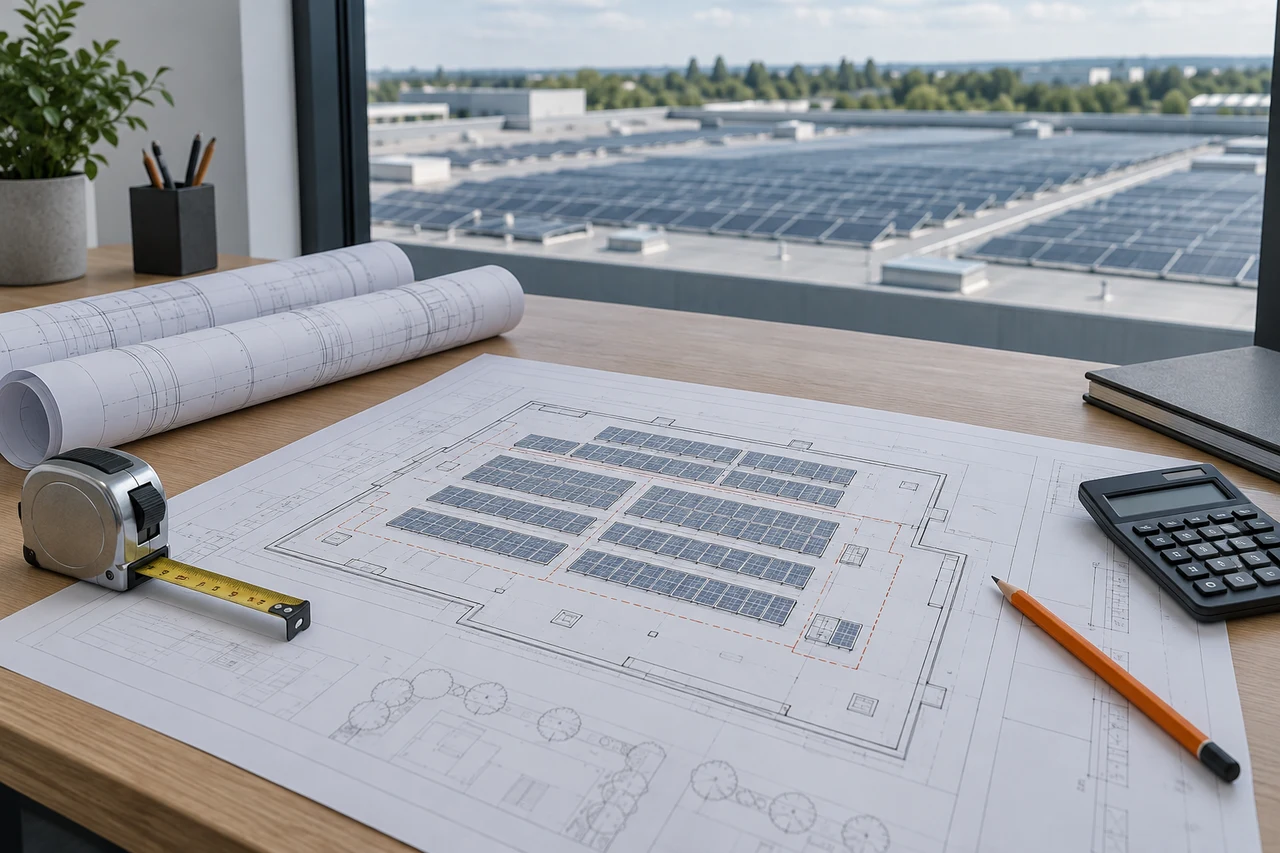
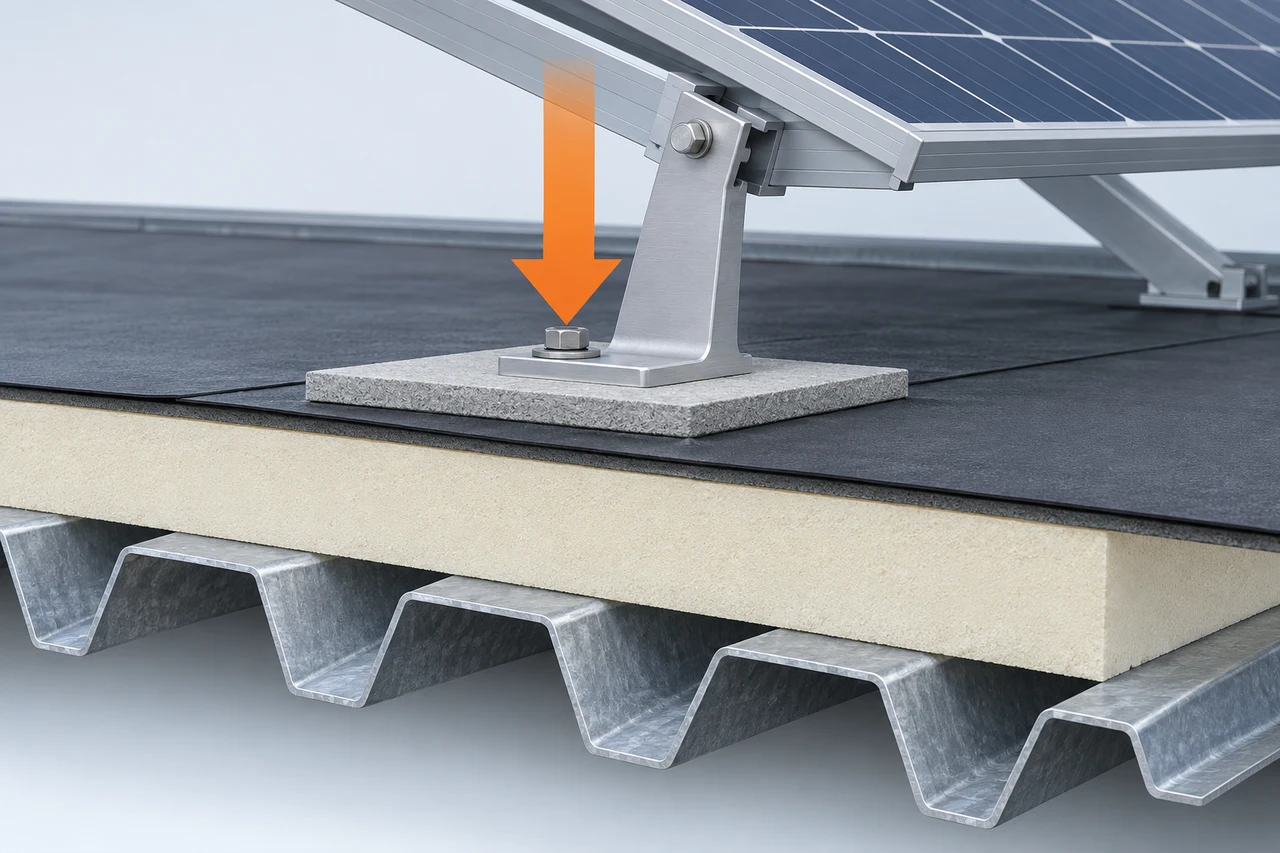
- 04PV point loads on flat roofs: why average kg/m² is not enoughPV feet load a roof locally. Average weight per square metre does not describe the stresses at the membrane and insulation beneath a contact point.Planning & costs
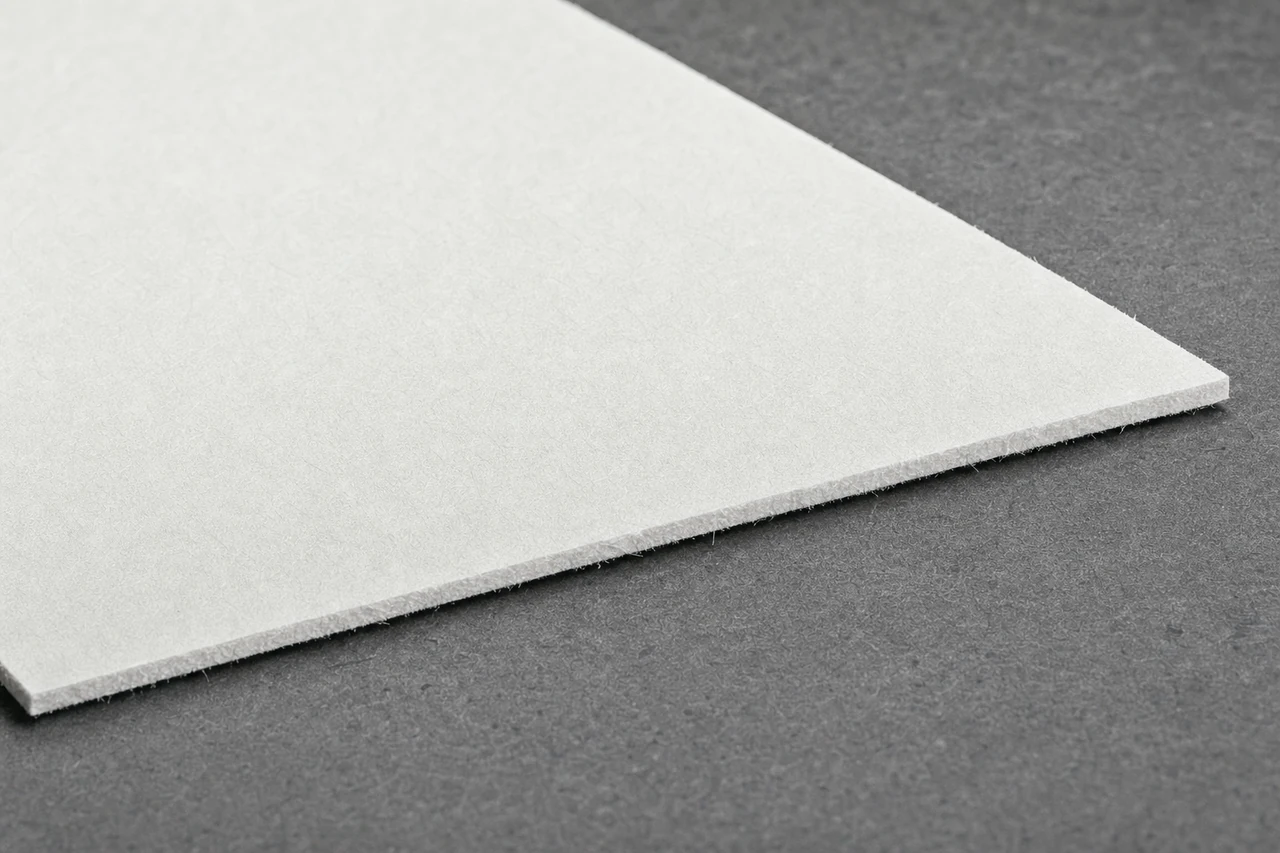
- 05BarrierSheet, SHEET and cover board: thin fire protection layers comparedA thin mineral layer can limit direct flame attack. How much heat reaches the insulation is a different question. We compare build-up, binder and published fire tests — and show when a thicker board can make sense.Materials
- 06A1, EI 30 and BROOF: which fire class your PV roof needsA1 describes a construction product, EI or REI a building element and BROOF a roof build-up under external fire exposure. Separating these levels makes offers and insurer requirements much quicker to assess.Evidence & risk
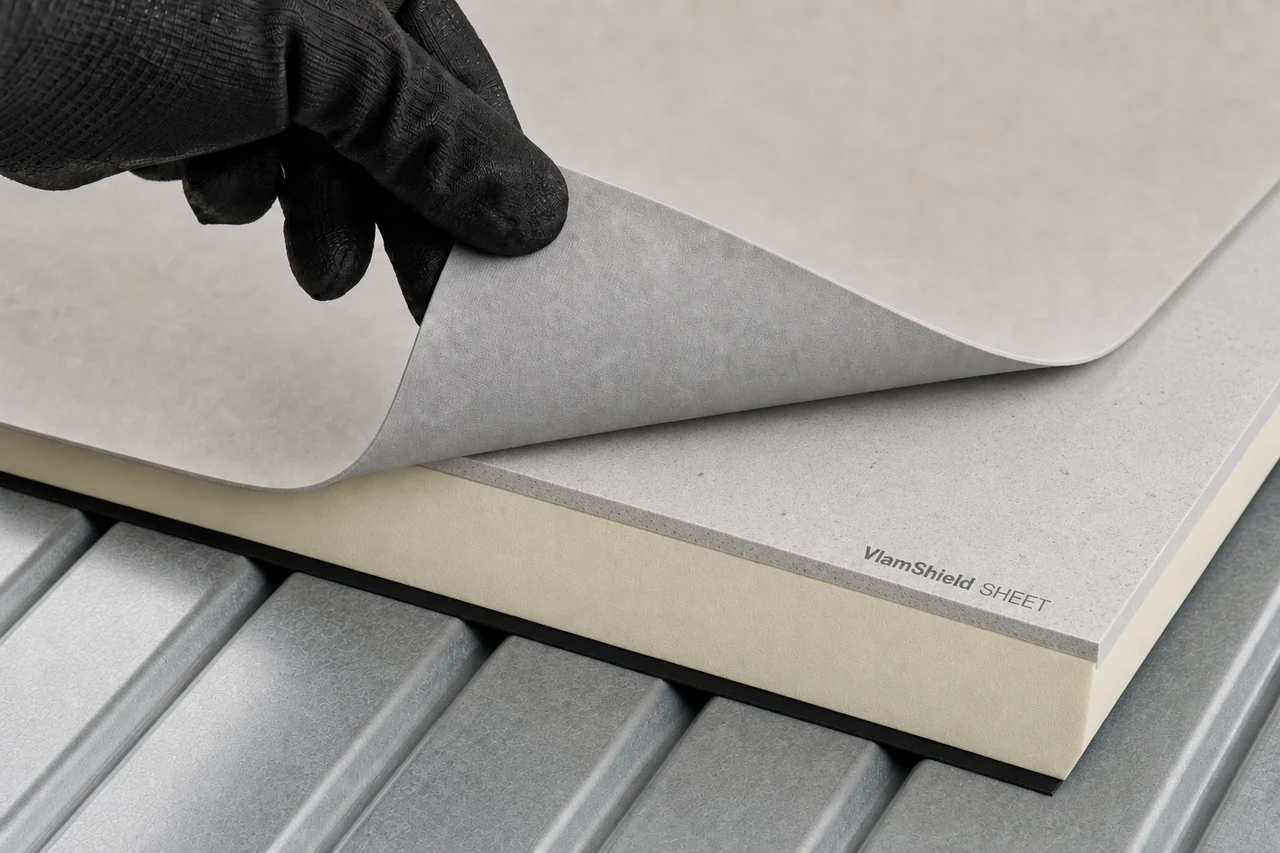
- 07Fire protection board above or below the roof membrane? The right installation positionIf the waterproofing stays in place, a mineral board on the roof surface beneath PV is an important option. If the roof is re-waterproofed, the zone beneath the membrane opens up. The position determines which material properties really count.Planning & costs
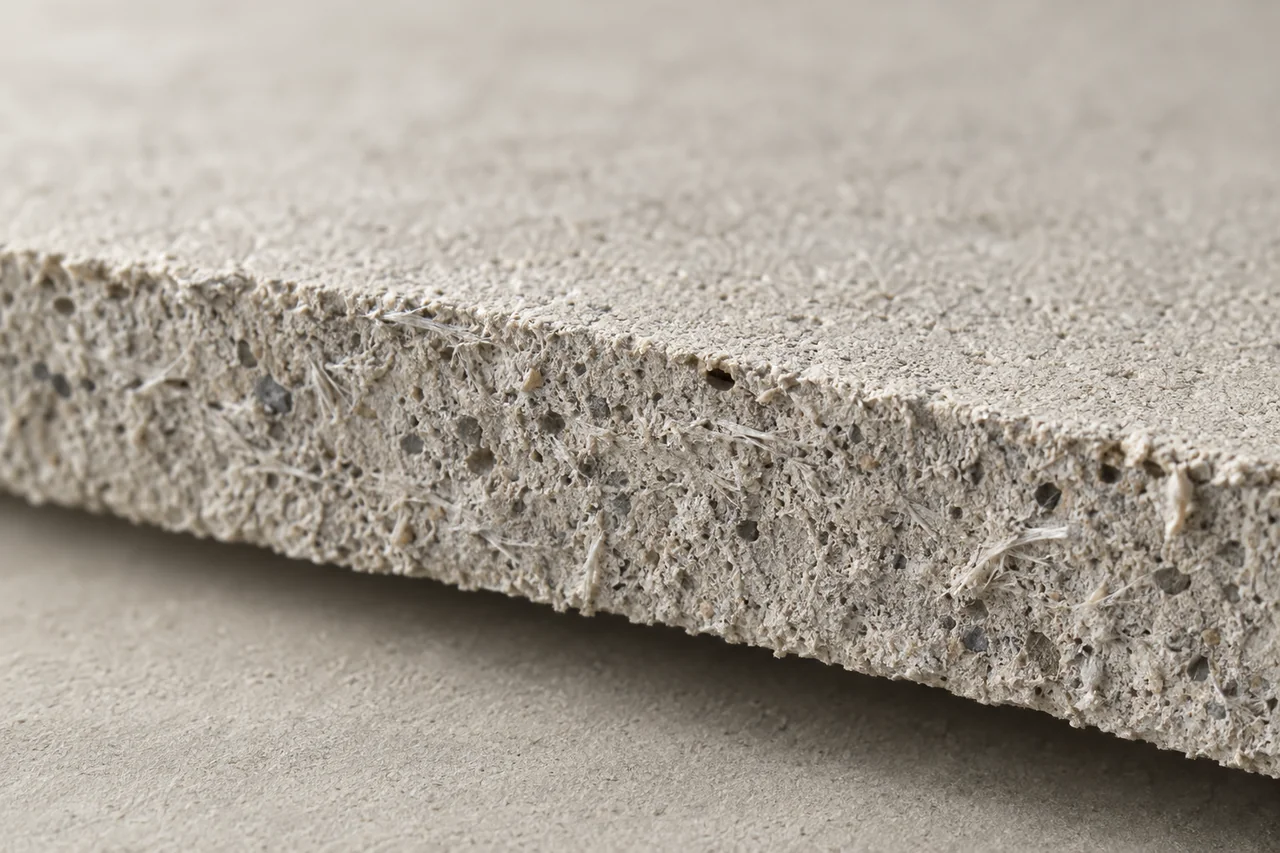
- 08Fire protection boards outdoors: assessing water, frost and roof membranes correctlyA board on a PV roof has to do more than a board in a dry interior. What matters is documented exterior use, behaviour under moisture and frost, and a detail that drains water reliably.Materials
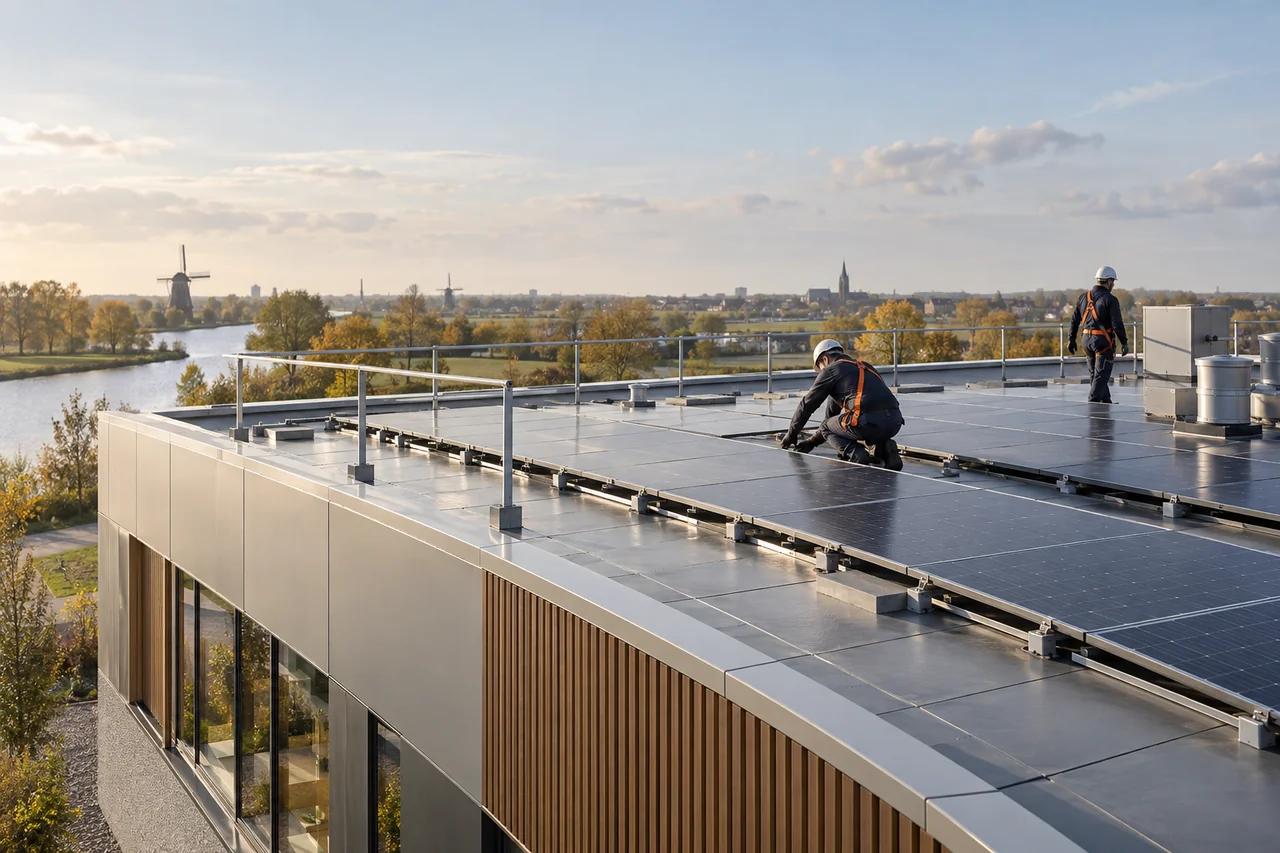
- 09Calculating additional roof load from fire protection boardsArea times mass per unit area gives the additional board weight. For the roof decision, PV ballast, contact surfaces, fixing and existing load reserves also count. Here you will find comparison values and a simple calculator.Planning & costs
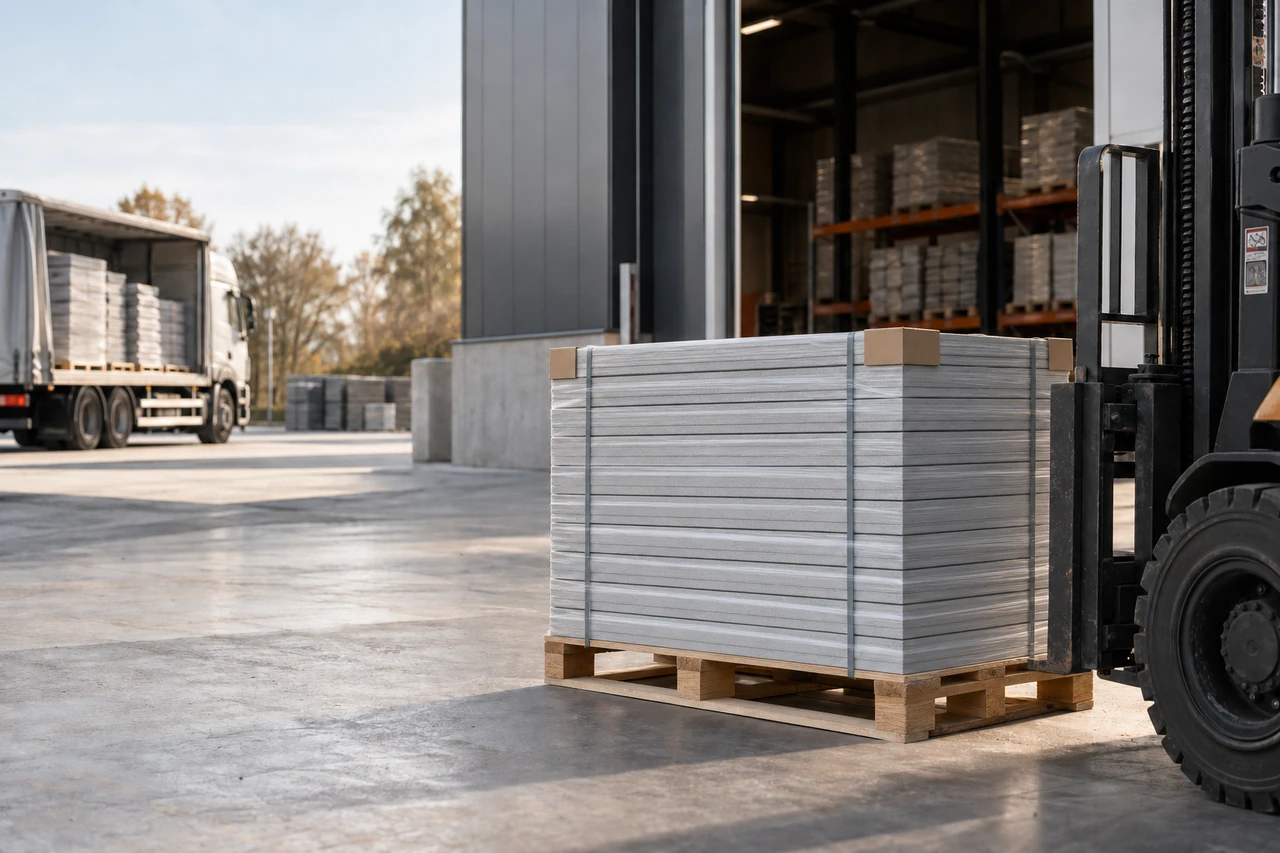
- 10Mineral roof coating or board beneath PV: which suits the project?An applied mineral compound and a dry-laid board lead to different construction sequences. Compare substrate, adhesion, movement, weather windows and layer control before comparing only the material price.Materials
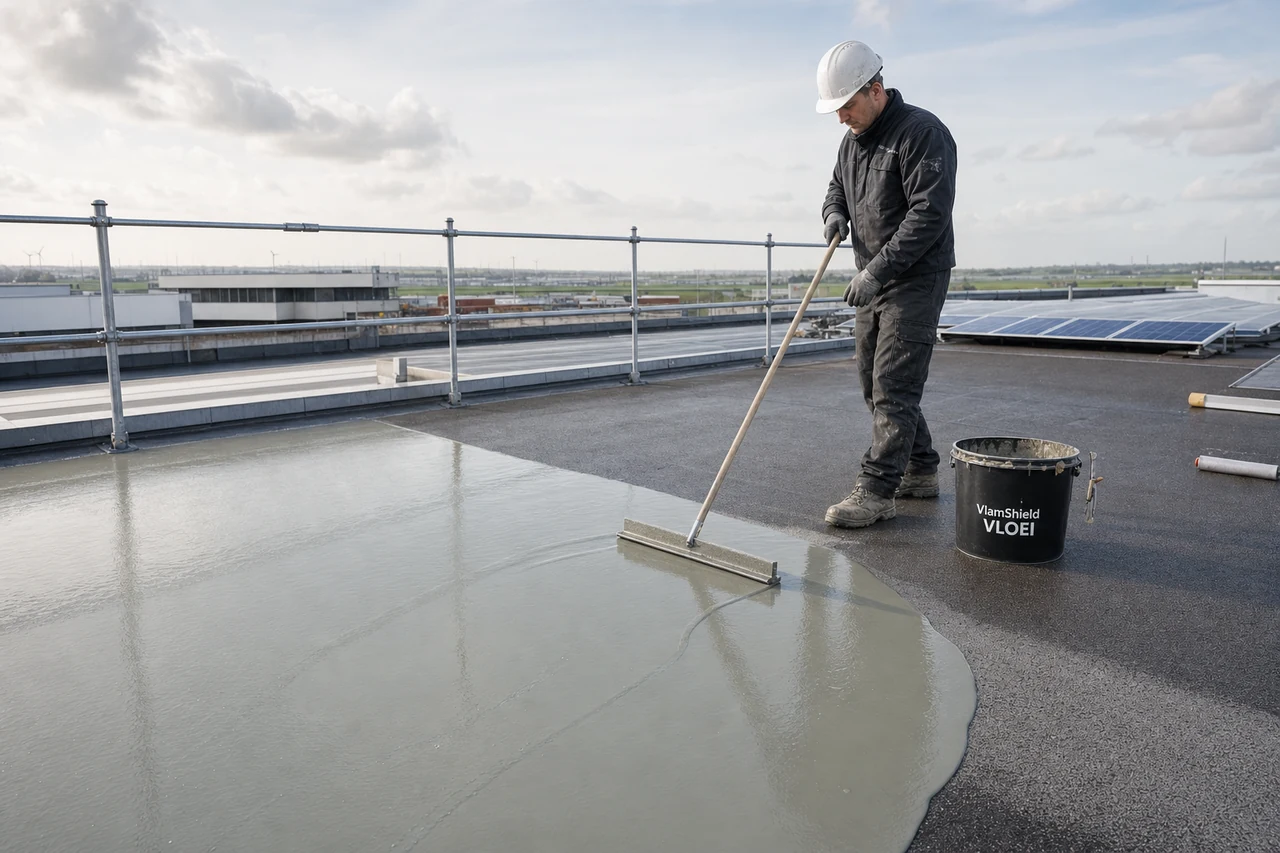
- 11Which documents does a PV roof with a mineral protective layer need?A complete data sheet, a classification and a traceable roof build-up make an offer verifiable. What matters is that every statement is assigned to its document — from the construction material to the specific installation.Evidence & risk

- 12Fire protection for PV on flat roofs: from roof build-up to a suitable protection conceptCommercial photovoltaics change the use, loading and fire scenarios of a roof. A good protection concept links electrical safety, roof build-up, module arrangement and later operation. Mineral layers are a component that can be deployed selectively.Planning & costs
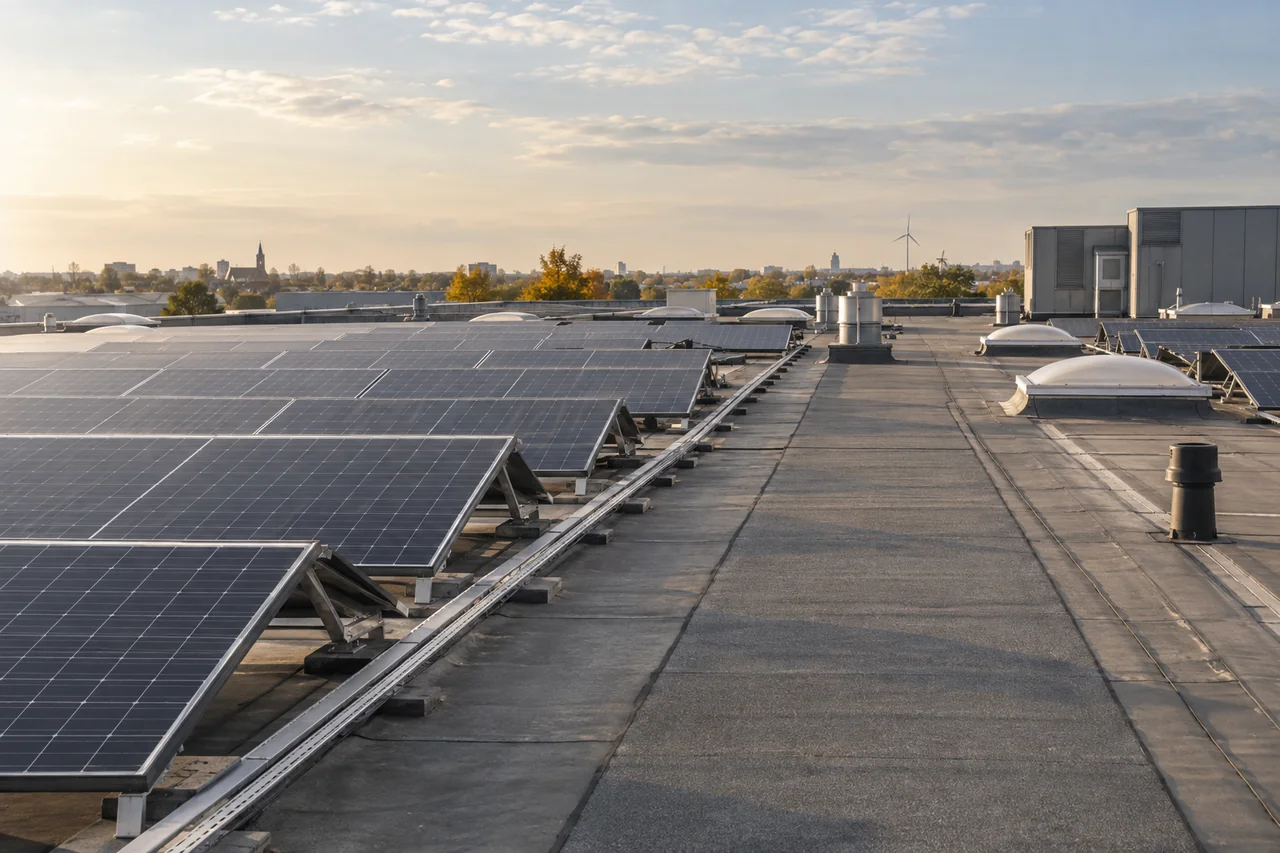
- 13BROOF(t1), BROOF(t3) and PV: reading the roof evidence correctlyBROOF is a classification for the behaviour of a roof covering under external fire exposure. The test method in brackets and the tested build-up are decisive. For a roof with PV, further questions about the arrangement above the roof membrane arise.Evidence & risk
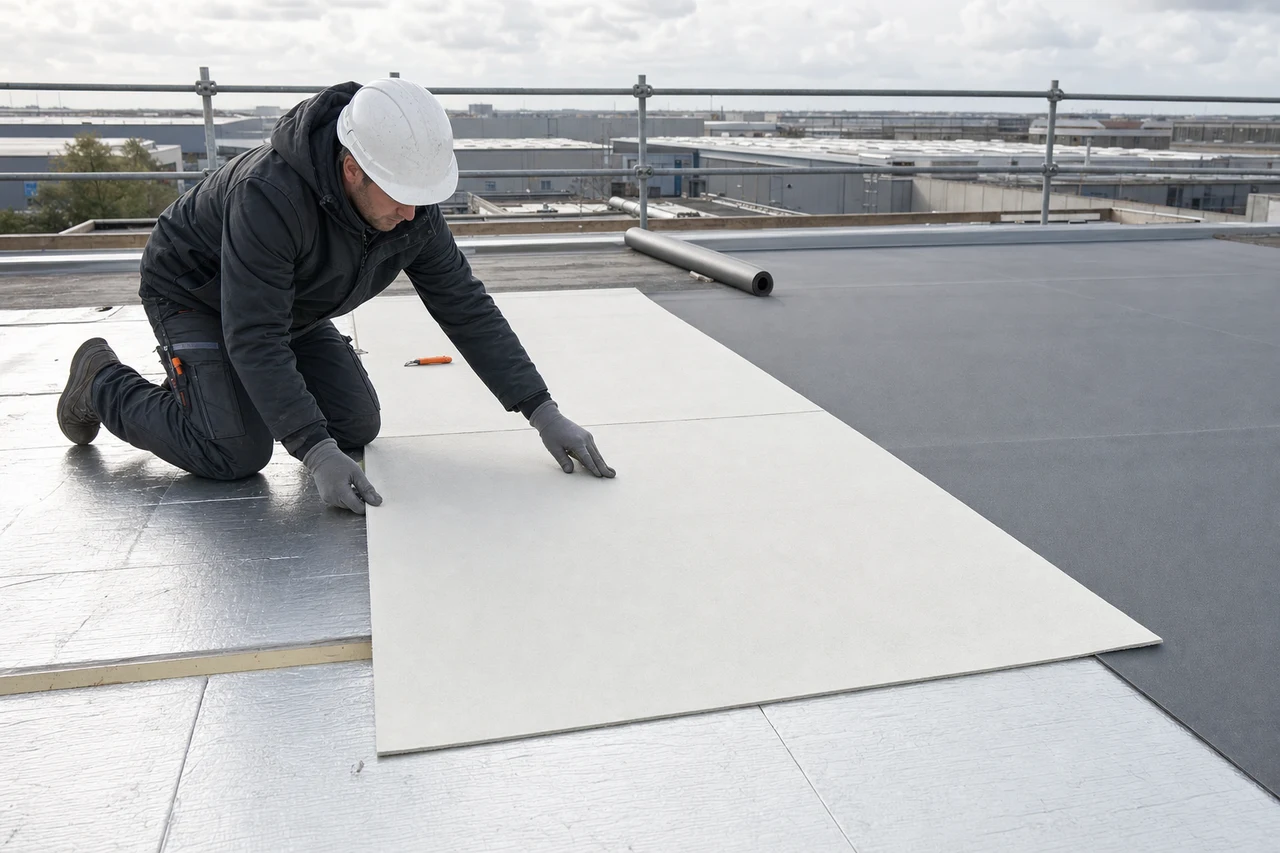
- 14FM Approved for PV roofs: what 4470, 4478, 4482 and 4484 tell youFM Approved is a private-sector testing and certification system. For design, what counts is which product or build-up is covered under which conditions. The mark alone does not answer these questions.Evidence & risk
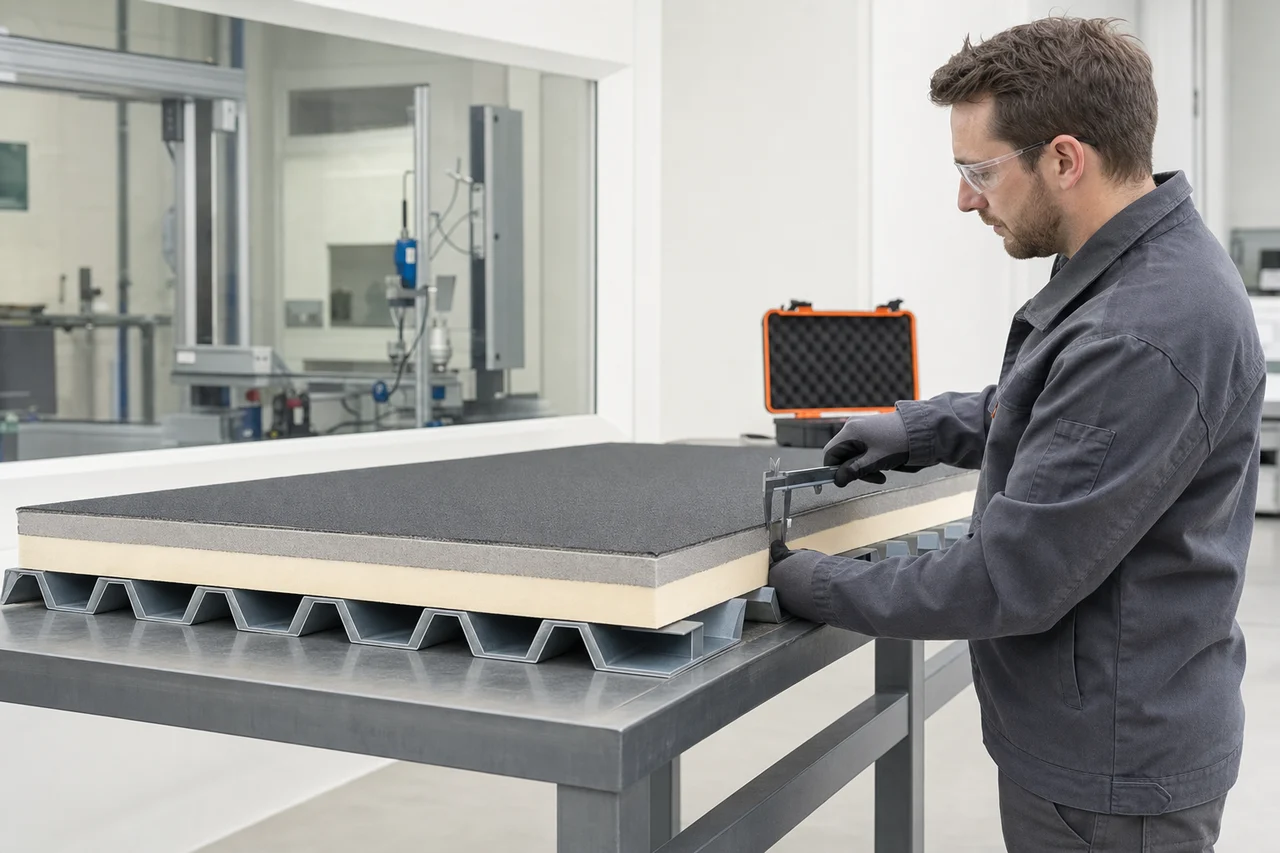
- 15Insurer requirements for PV roofs: justifying alternative fire protection solutionsMineral wool, gravel, concrete pavers, cover boards or fire resistance evidence: such requirements look different but can pursue a similar protection objective. A good technical comparison makes alternatives decidable.Evidence & risk
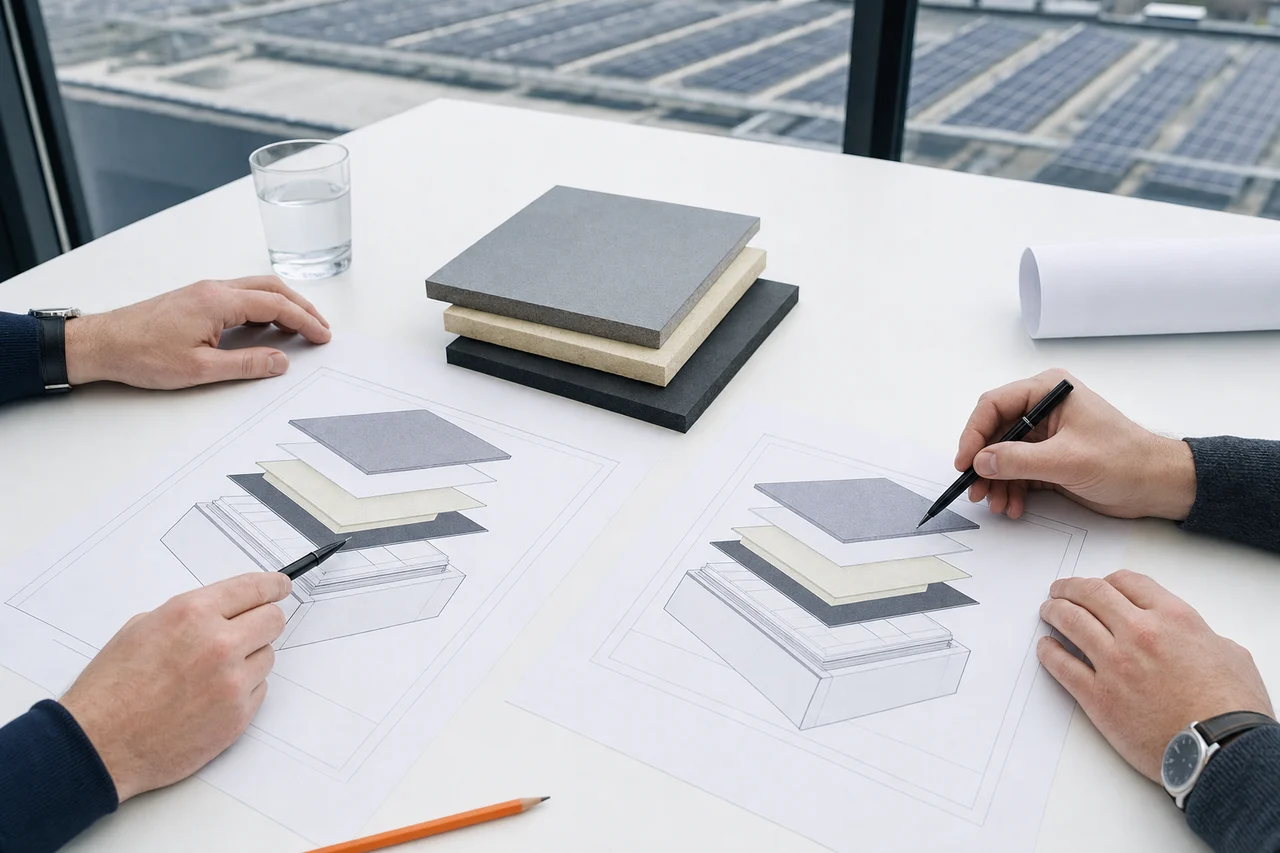
- 16Cover boards for flat roofs: comparing gypsum, cement, thin composite and mineral wool"Fire protection board" denotes very different products. A cover board beneath the roof membrane, a weather-resistant board and a thin barrier layer solve different tasks. The comparison therefore starts with position, loading and roof build-up.Materials
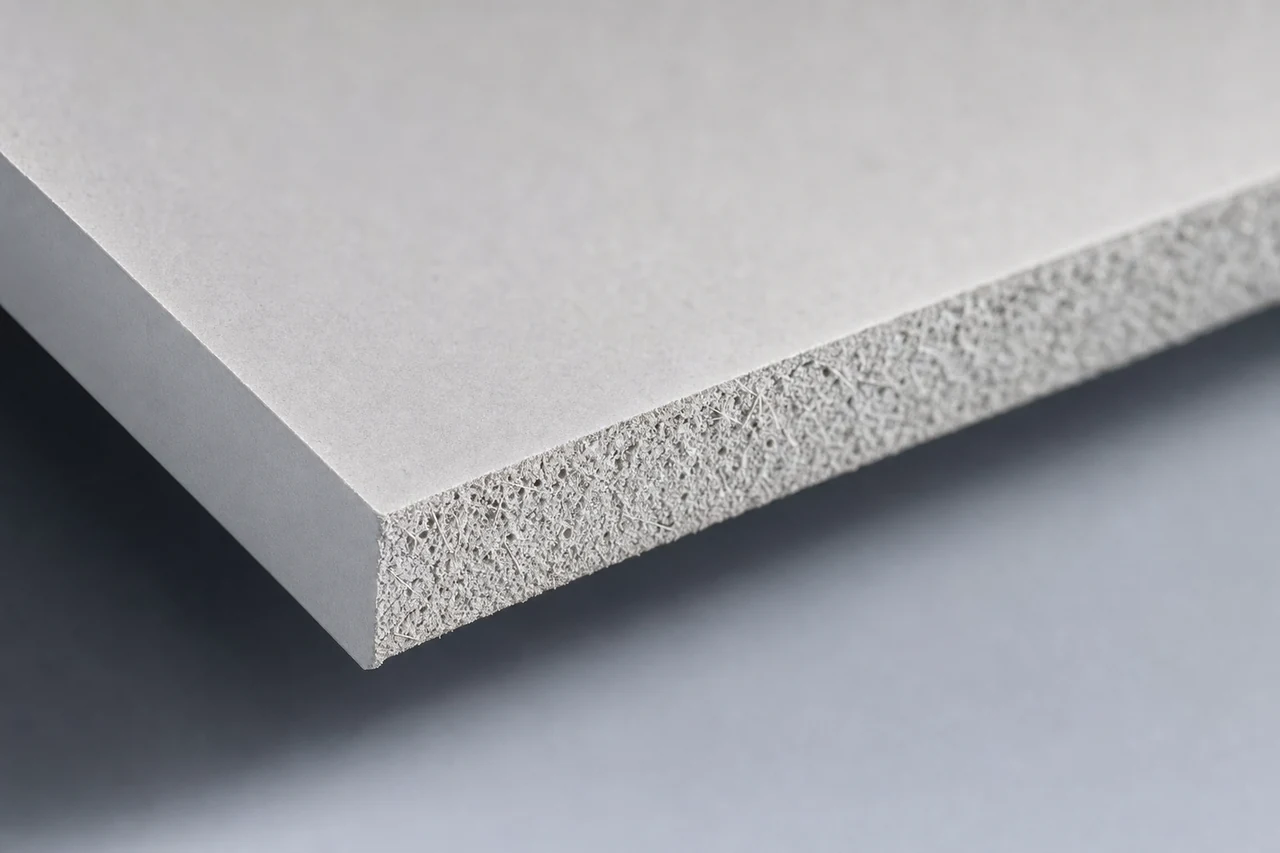
- 17PV fire causes: why electrical safety and roof protection belong togetherConnectors, cable routing, inverters and installation quality are important inspection points in a PV system. Mineral roof layers address a different issue: they can form part of a strategy to limit the consequences of fire.Planning & costs

- 18PV, rooflights and smoke vents: plan fire protection at roof openingsRooflights, smoke and heat exhaust vents, and penetrations interrupt the roof surface. PV modules and additional protective layers must accommodate their function, accessibility and connections. A good layout identifies these areas first.Planning & costs
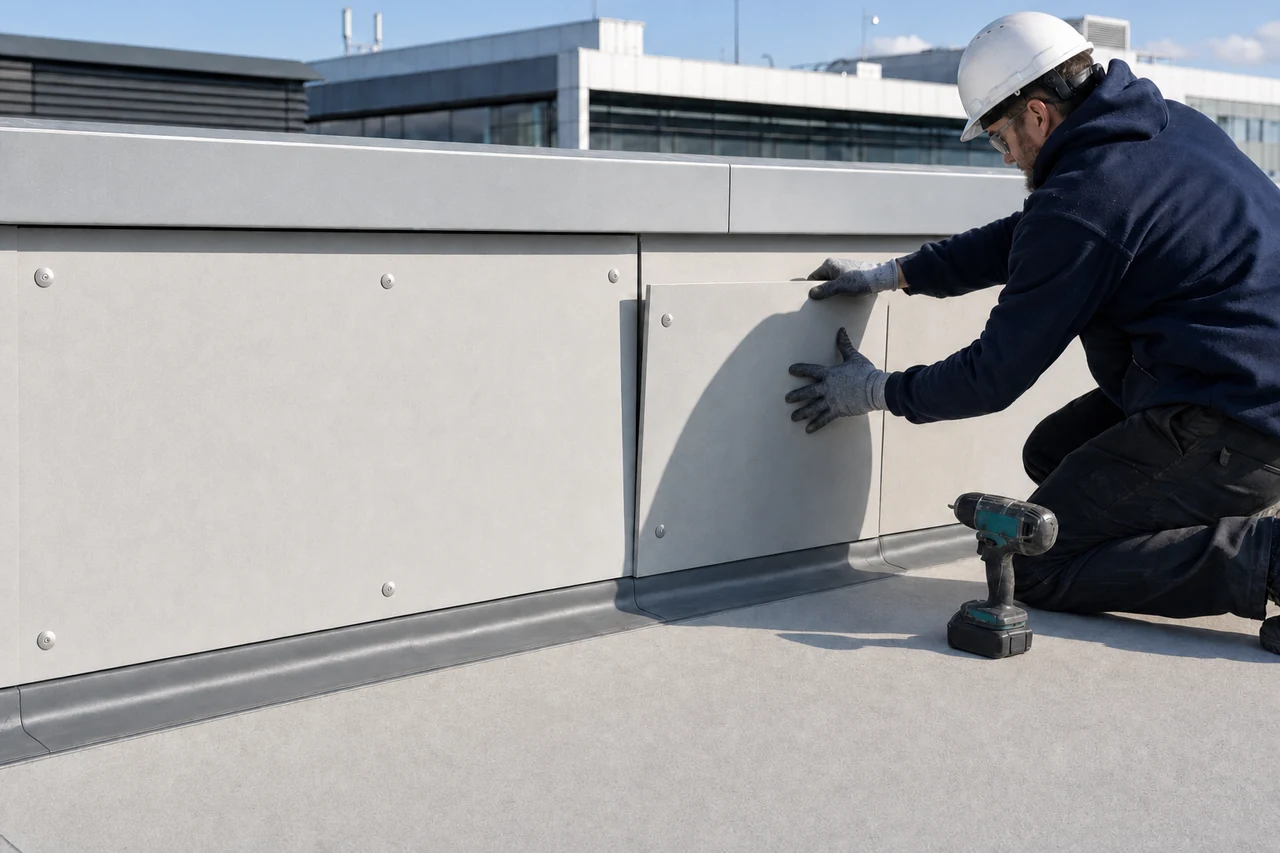
- 19Installing fire protection boards on roofs: joints, wind and drainageA mineral board only becomes a sound roof solution with a suitable installation plan. Substrate, joints, fixing, membrane and outlets determine whether the surface can perform its intended role over time.Planning & costs
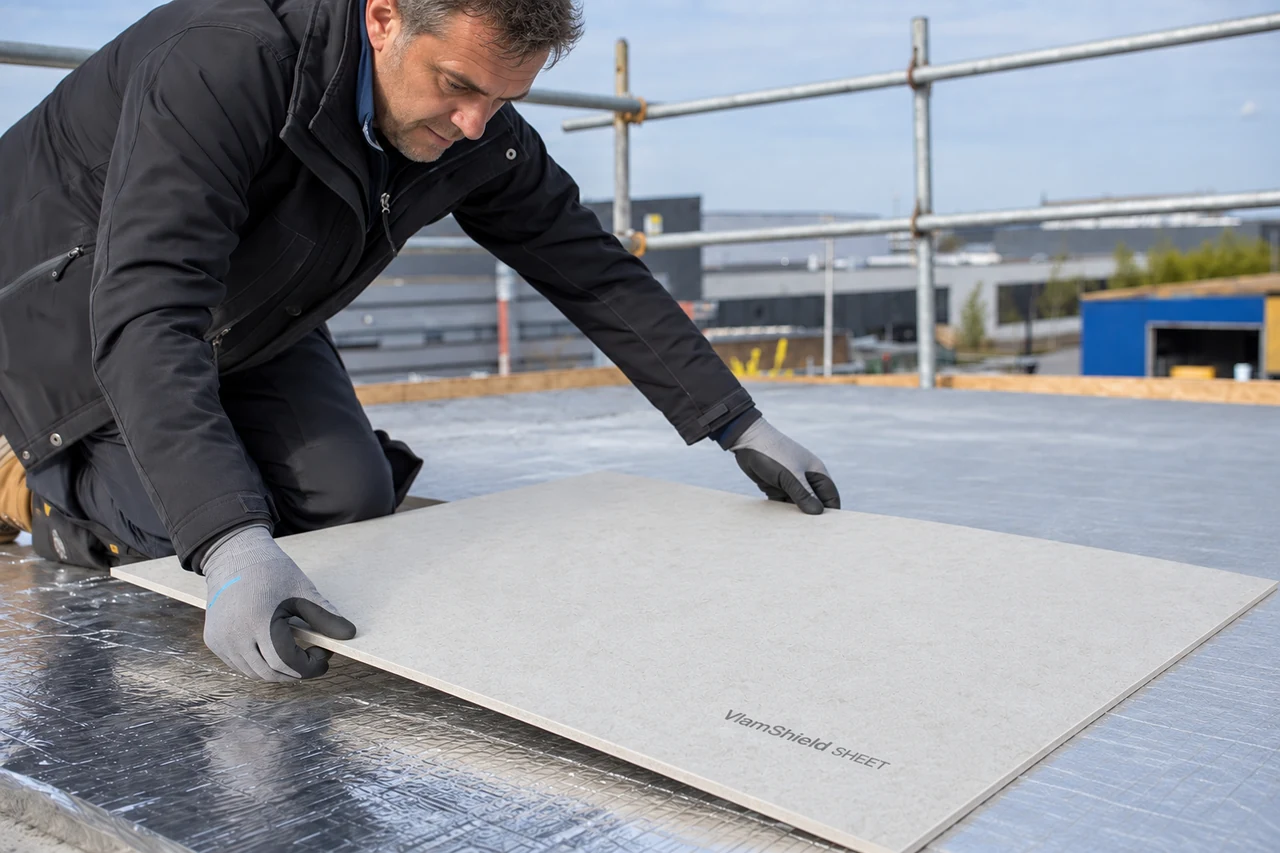
- 20What does a fire protection layer cost for a PV roof? Comparing one and two layersThe price per square metre of a board is only the start. Layer count, protected area, installation, new waterproofing and wind restraint can change the comparison. A transparent example shows what belongs in a quotation.Planning & costs
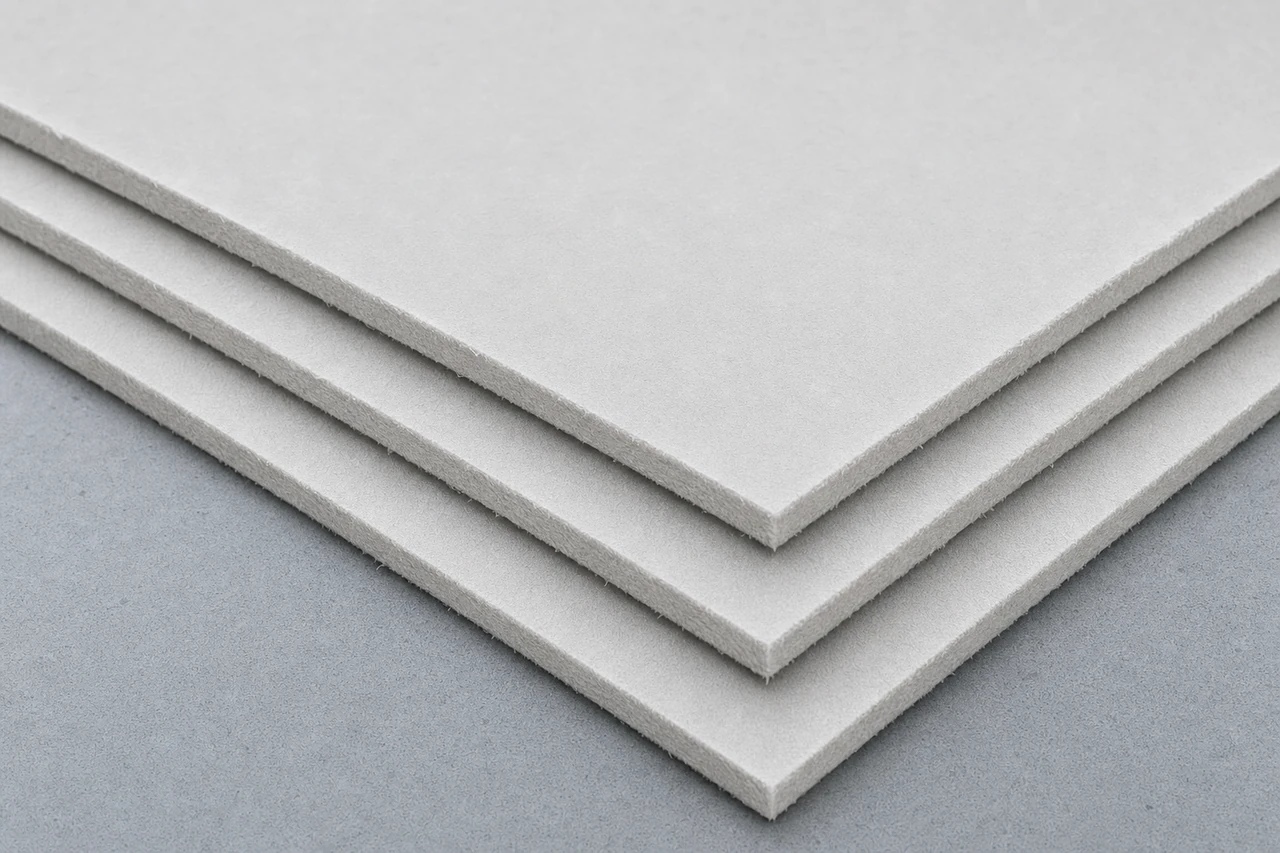
- 21How often do PV systems catch fire? Reading fire statistics without false conclusionsMore reported fires do not automatically mean a higher risk per installation. A reliable assessment considers incidents, data coverage and the installed base together. An example from the UK shows what to look for.Evidence & risk
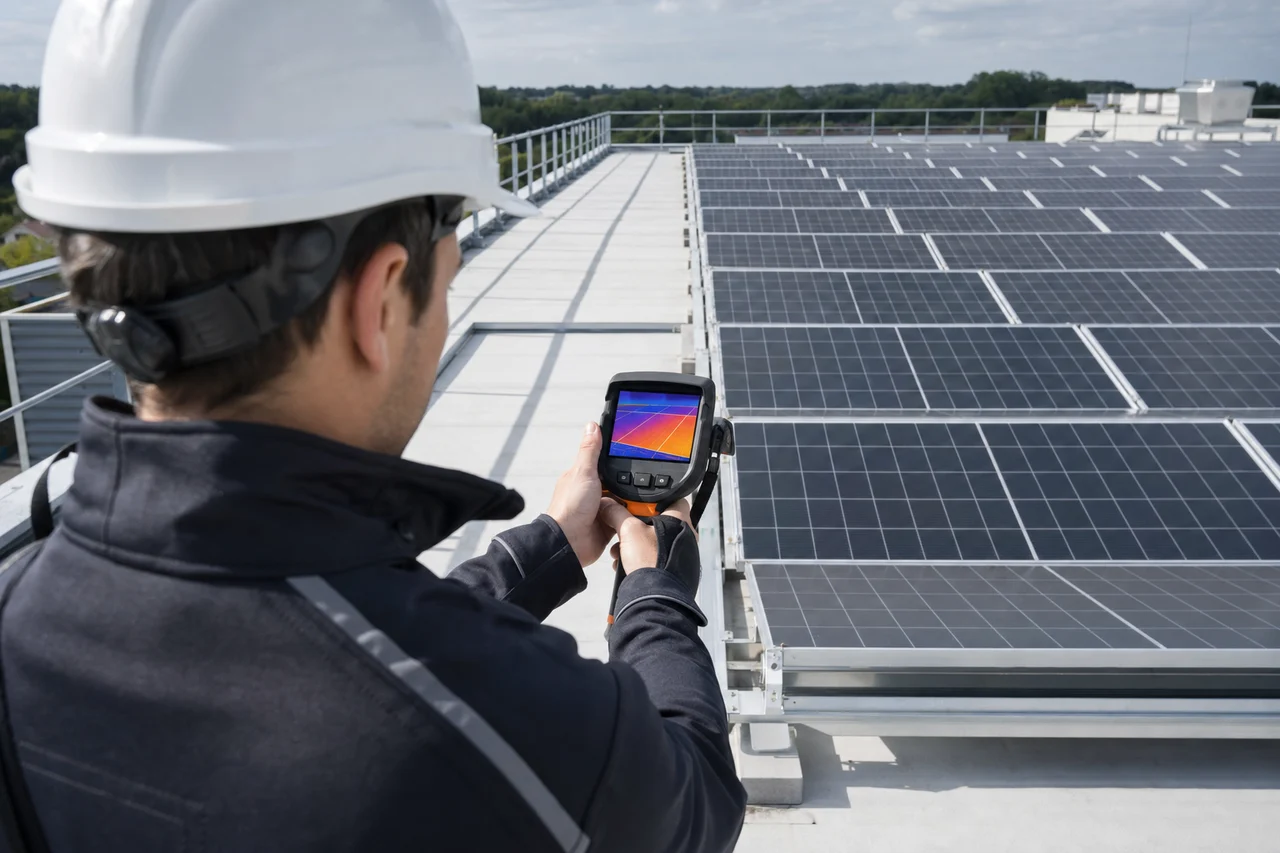
- 22Retrofitting PV roof fire protection: which approach is worthwhile?An existing roof needs a different selection process from a new building. Waterproofing condition, spare structural capacity and the existing PV installation determine whether boards above the membrane, a cover layer beneath new waterproofing or an applied compound make sense.Planning & costs